
A residential epoxy floor can give a garage or other concrete surface a cleaner, more finished appearance while helping it stand up to everyday use. But a lasting result starts with more than choosing a color. The condition of the concrete, surface preparation, and the coating system all play a role in how the floor performs over time.
In Fort Myers, homeowners may also need to consider sunlight, humidity, moisture, and the way they use their space. SWFL Coating Solutions provides residential concrete coating services to help homeowners transform their floors with a finish suited to their needs.
Key Takeaways
- Residential epoxy flooring can give Fort Myers garages a clean, finished appearance while supporting everyday use.
- Sunlight, moisture, vehicle traffic, and the condition of the concrete all influence which coating system is right for a home.
- Proper surface preparation helps the coating bond to the concrete and may include cleaning, profiling, and addressing cracks.
- Epoxy, polyurea, and polyaspartic are different coating materials, and the right choice depends on the surface and its intended use.
- Following curing instructions and maintaining the finished floor with regular cleaning can help protect its appearance over time.
What Should Fort Myers Homeowners Consider Before Installing Epoxy Flooring?
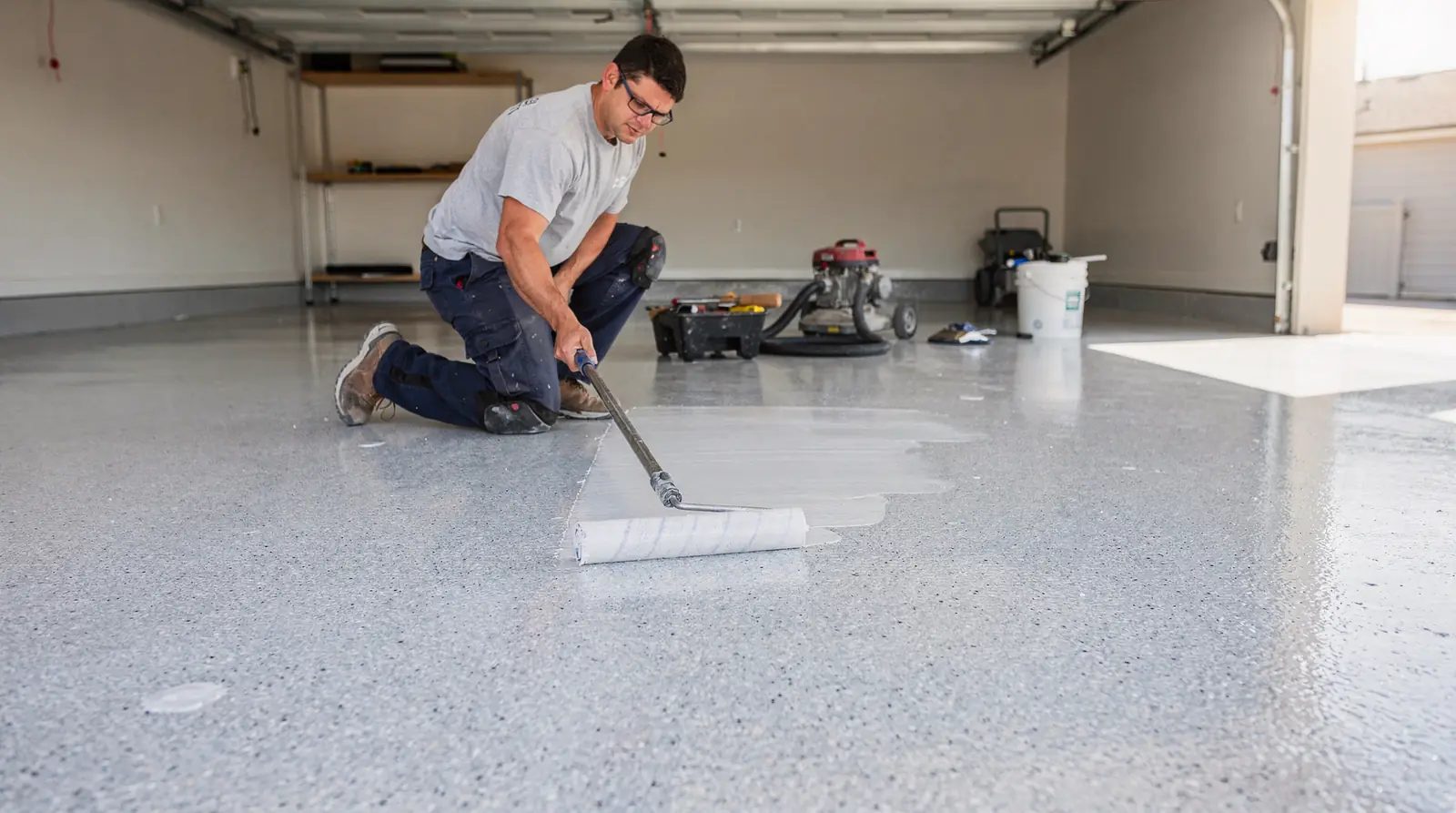
Fort Myers homeowners use their garages and other concrete spaces in different ways. One family may need a garage floor that handles parked vehicles and storage, while another wants a surface that is easier to clean after home projects.
Before choosing a coating, it helps to look at the concrete itself and the conditions the finished floor will face. Sunlight, moisture, existing damage, and daily traffic can all influence which system is appropriate.
How Can Moisture Affect a Concrete Floor Coating?
Moisture is an important consideration because concrete can allow moisture vapor to move through the slab. If moisture levels are too high for the selected coating system, they may contribute to problems such as bubbling, peeling, or loss of adhesion.
The presence of humidity or rain does not automatically mean a floor has a moisture problem. Conditions vary from one property to another, so the concrete should be evaluated before a coating is selected and installed.
If there are signs of an existing issue, such as a coating that is lifting or blistering, the cause should be identified before a new finish is applied.
How Can Sunlight Affect Epoxy Flooring?
Some epoxy coatings can yellow or change in appearance with prolonged exposure to ultraviolet light. This may matter in a garage where the door is frequently open or in another area that receives direct sunlight.
For sun-exposed spaces, homeowners can ask about coating systems or compatible topcoats designed to resist UV-related discoloration. The right choice depends on the product, the surface, and the amount of exposure the floor receives.
What Kind of Daily Use Should the Coating Handle?
A residential floor may be exposed to vehicle tires, foot traffic, spills, tools, and stored equipment. Each garage is different, so it's helpful to think about how the space will be used before choosing a finish.
For example, a homeowner who parks vehicles in the garage may want to ask about resistance to hot-tire pickup and automotive fluids. Someone using the space as a workshop may be more concerned about abrasion and cleanup.
Discussing these needs before installation helps your coating professional recommend an option suited to your floor.
What Helps a Residential Epoxy Floor Last?
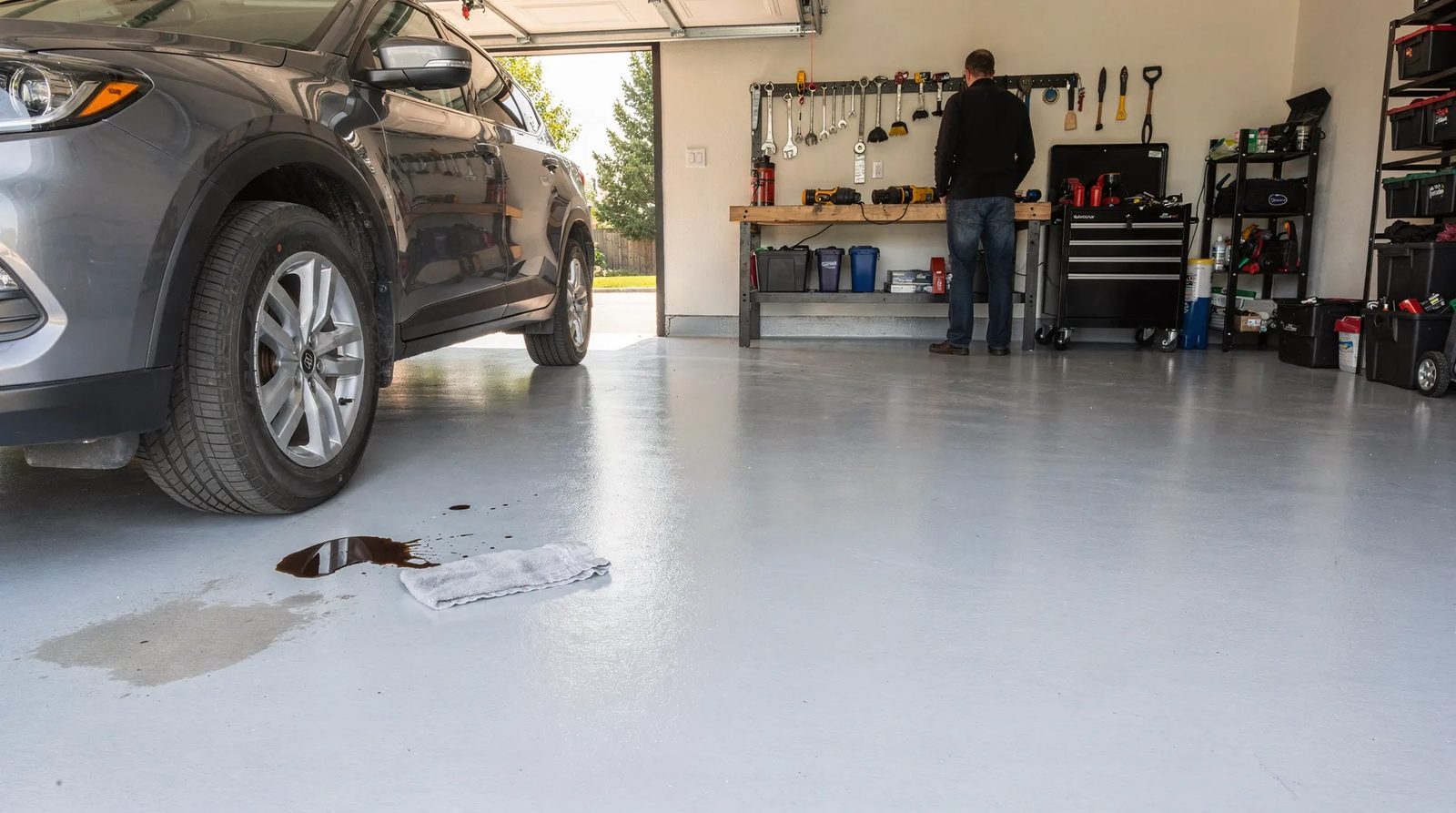
The longevity of a residential epoxy floor depends on the condition of the concrete, the products selected, the quality of the installation, and how the floor is maintained.
A beautiful finish begins with a suitable surface. Even a high-quality coating can struggle to bond if the concrete underneath is contaminated, damaged, or affected by unresolved moisture issues.
Why Is Concrete Preparation Important?
Concrete preparation helps create a surface that is ready to receive a coating. Depending on the condition of the slab and the selected system, preparation may involve cleaning the floor, removing existing coatings or contaminants, and mechanically profiling the surface.
Mechanical preparation creates a surface profile that supports adhesion. Cracks and damaged areas may also need attention before the coating is applied, although the appropriate repair depends on the type and extent of the damage.
If a crack or other issue raises structural concerns, further evaluation may be needed before the floor is coated.
How Does the Coating System Affect Performance?
An epoxy floor may include more than one layer, with each component serving a purpose. Depending on the system, a project may include a base coat, decorative flakes, and a compatible topcoat.
Some homeowners also ask about alternatives or additions to epoxy, such as polyurea or polyaspartic coatings. These are different coating materials, and their suitability depends on the specific product and application. Certain polyaspartic topcoats, for example, are designed to help resist UV-related discoloration.
When comparing systems, ask what each layer does and why it is being recommended for your space. This can help you understand how the finished floor is intended to perform.
How Can Homeowners Protect Their Finished Floor?
Once the coating has been installed and has fully cured, regular care can help preserve its appearance. Follow your installer's or coating manufacturer's instructions for cleaning and maintenance.
Simple habits may include:
- Sweeping or dust-mopping regularly to remove sand and debris.
- Cleaning up oil, grease, and other spills promptly.
- Using a cleaner recommended for the specific coating.
- Lifting heavy objects instead of dragging them across the floor.
- Checking the surface for signs of peeling, bubbling, or unusual wear.
If you notice damage, contact a coating professional to help identify the cause and discuss the appropriate next step.
How Does Residential Epoxy Flooring Installation Work?
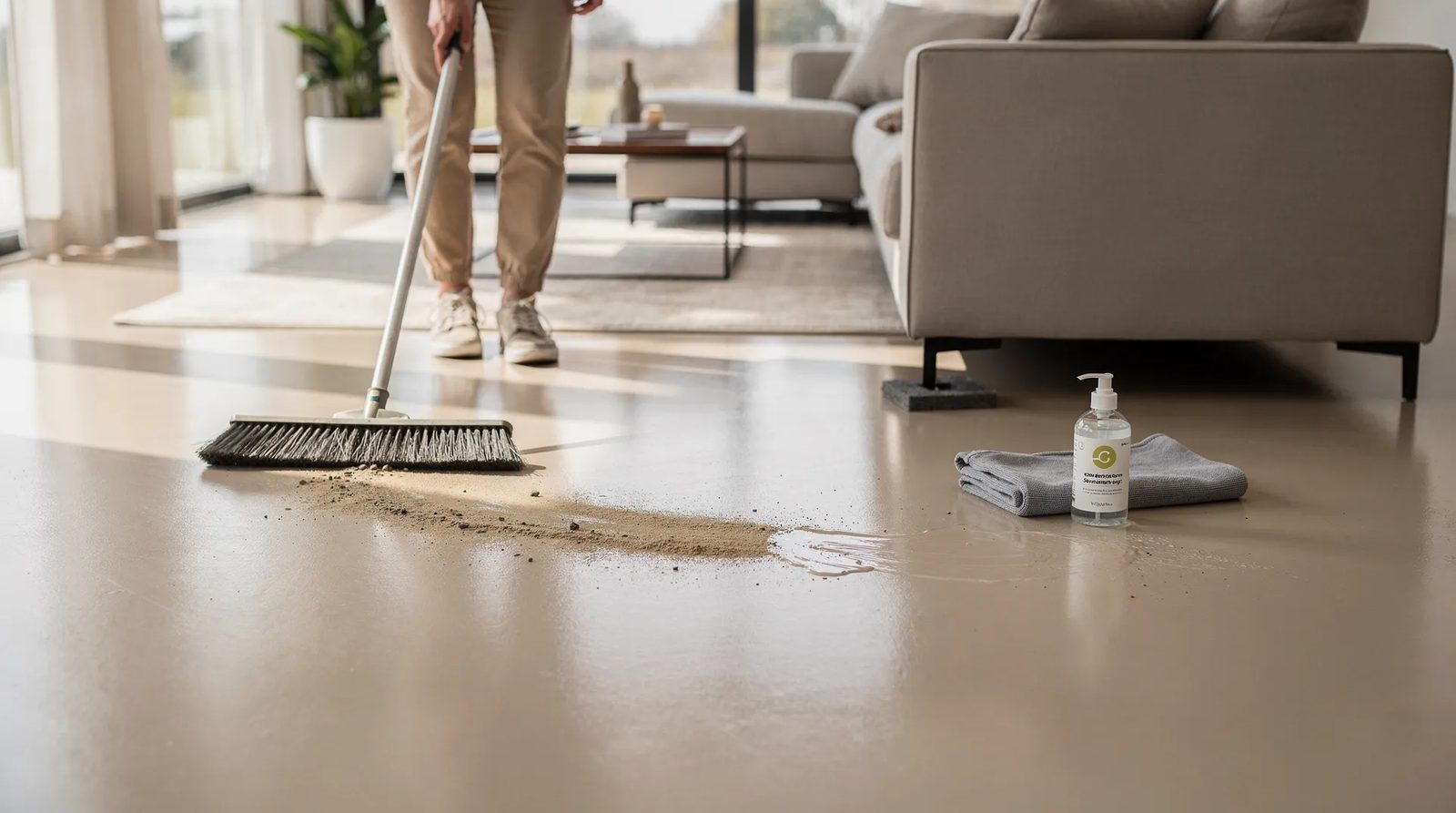
Every concrete floor is different, so the installation process can vary based on the slab's condition and the coating system chosen. A garage with an existing coating or damaged concrete may need different preparation from a clean, uncoated floor.
Before work begins, ask your contractor to explain what the project includes, how the surface will be prepared, and when you can return the space to normal use.
What Happens Before the Coating Is Applied?
The first step is to discuss the project and assess the condition of the concrete. This is an opportunity to point out cracks, stains, areas of wear, or any previous coating on the floor.
Moisture testing or further evaluation may be appropriate depending on the slab and the requirements of the selected system. If moisture or damage needs attention, the contractor can explain what needs to happen before installation.
Homeowners can also discuss their preferred colors and finishes, as well as how the space will be used.
How Is the Concrete Prepared and Coated?
Once the project requirements are clear, the concrete is prepared for the selected coating system. The exact method depends on the surface and product requirements.
After preparation and any necessary repairs, the coating is applied according to the system's specifications. If the design includes decorative flakes or a topcoat, those components are added as part of the process.
Each layer has its own application and curing requirements. Ask your installer what products are included in your project and how they are intended to work together.
When Can You Use the Floor Again?
The time needed before a floor can be used varies by product, temperature, humidity, and the full coating system. A floor that feels dry may still need additional time before it is ready for furniture, heavy equipment, or vehicles.
Before installation day, ask your contractor:
- When can I walk on the floor?
- When can I move furniture and stored items back?
- When can I park a vehicle on the coating?
- What should I avoid while the floor cures?
- What cleaning products do you recommend?
Following the recommended curing and care instructions gives the finished floor the best opportunity to perform as intended.
Frequently Asked Questions
Can epoxy flooring be installed over an existing garage floor coating?
In some cases, an existing coating can be coated over, but it depends on its condition and compatibility with the new system. If the old coating is peeling, damaged, or poorly bonded, it may need to be removed before a new floor is installed.
Do cracks in my garage floor need to be repaired before coating?
Cracks should be evaluated before installation. Some may be repaired as part of the floor preparation, while others may require further assessment. The appropriate approach depends on the type and cause of the crack.
Can I choose a decorative finish for my residential epoxy floor?
Many epoxy flooring systems offer decorative options, including different colors and flakes. Ask SWFL Coating Solutions about the finishes available for your project and which options are suitable for your space.
Is an epoxy garage floor slippery when wet?
A coated floor can become slippery when wet, depending on its finish and texture. If this is a concern, ask your installer about textured or slip-resistant options and how they may affect the floor's appearance and cleaning requirements.
How long does residential epoxy flooring installation take?
Installation time depends on the size and condition of the floor, the preparation needed, and the coating system selected. The floor will also need time to cure before normal use. Ask your installer for a project-specific timeline, including when you can walk and park on the finished surface.
Plan Your Epoxy Flooring Project With SWFL Coating Solutions
A residential epoxy flooring installation can give your Fort Myers garage a fresh look and a surface designed for everyday use. Taking the time to consider the condition of the concrete, your coating options, and your maintenance needs can help you make a more informed decision.
Whether you're updating a garage floor or exploring coating options for another concrete surface, SWFL Coating Solutions can help you discuss your project and the finish you have in mind.
Contact SWFL Coating Solutions to learn more or get in touch about your residential floor coating project.